


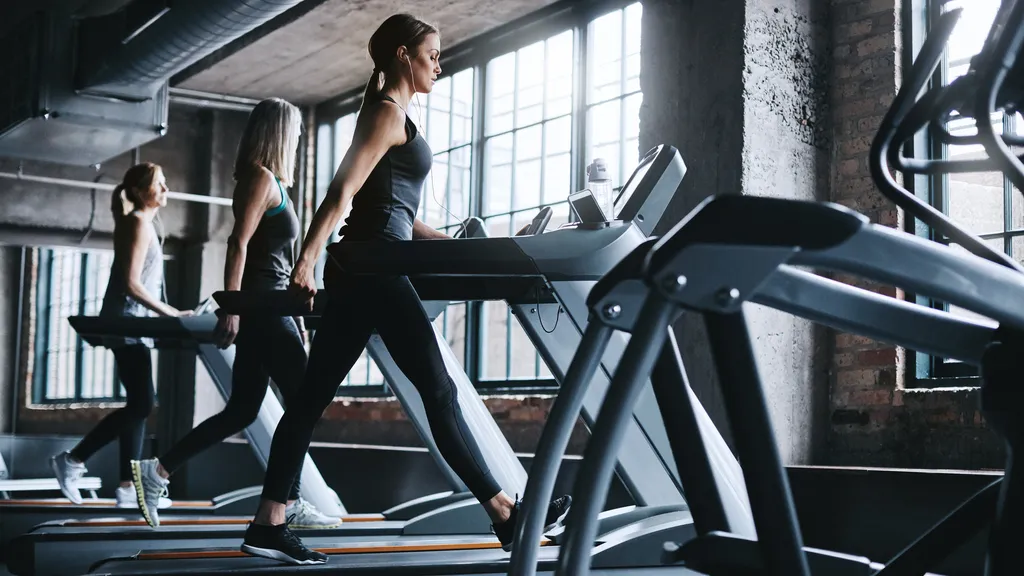


I asked a physical therapist which movements disappear first as we age—and this is the simple five-move routine she recommends to help you keep them
This routine can help you keep your mobility for longer


It’s natural for mobility to decline as we age, but some movements tend to become harder before others.
Courtney Fitzpatrick, physical therapist at Hinge Health, sees these mobility changes regularly with her clients.
“The movements that often become more difficult first are the ones that require balance, power, quick reactions, strength, coordination, and mobility,” she says.
According to Courtney, the movements and attributes that are most likely to disappear first as we age are:
- Floor transfers (the ability to get on and off the floor)
- Movements reliant on leg strength (like squatting up and down)
- Eccentric control (the active lengthening of a muscle under load)
- Thoracic and cervical rotation (for example, turning your head to look over your shoulder)
- Hip mobility
- Balance
But we don’t have to accept that these movements are lost to us once we reach a certain age.
Below, Courtney shares a short strength routine that can be done a couple of times a week to slow the loss of these movements, and keep us moving healthily as we age.
1. Seated thoracic twist
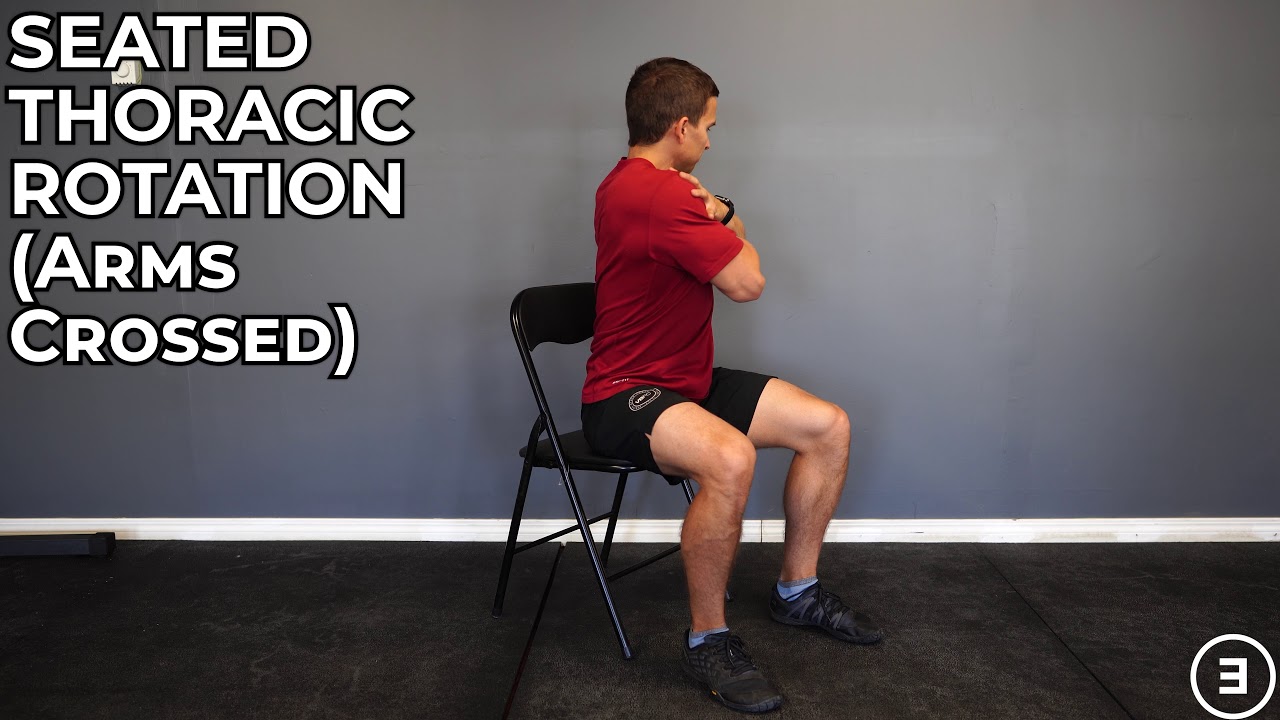
Sets: 1 Reps: 8 each side
How to do it:
- Sit upright toward the front of a chair with both feet flat.
- Place your hands across your chest.
- Exhale and rotate your upper body to one side, keeping your hips and knees facing forward.
- Inhale and rotate your torso back to facing forward.
- Exhale and repeat on the other side.
- Avoid forcing the movement through your neck.
How it helps: This one improves upper-back rotation for everyday movements like reaching, turning and looking behind you.
2. Sit to stand
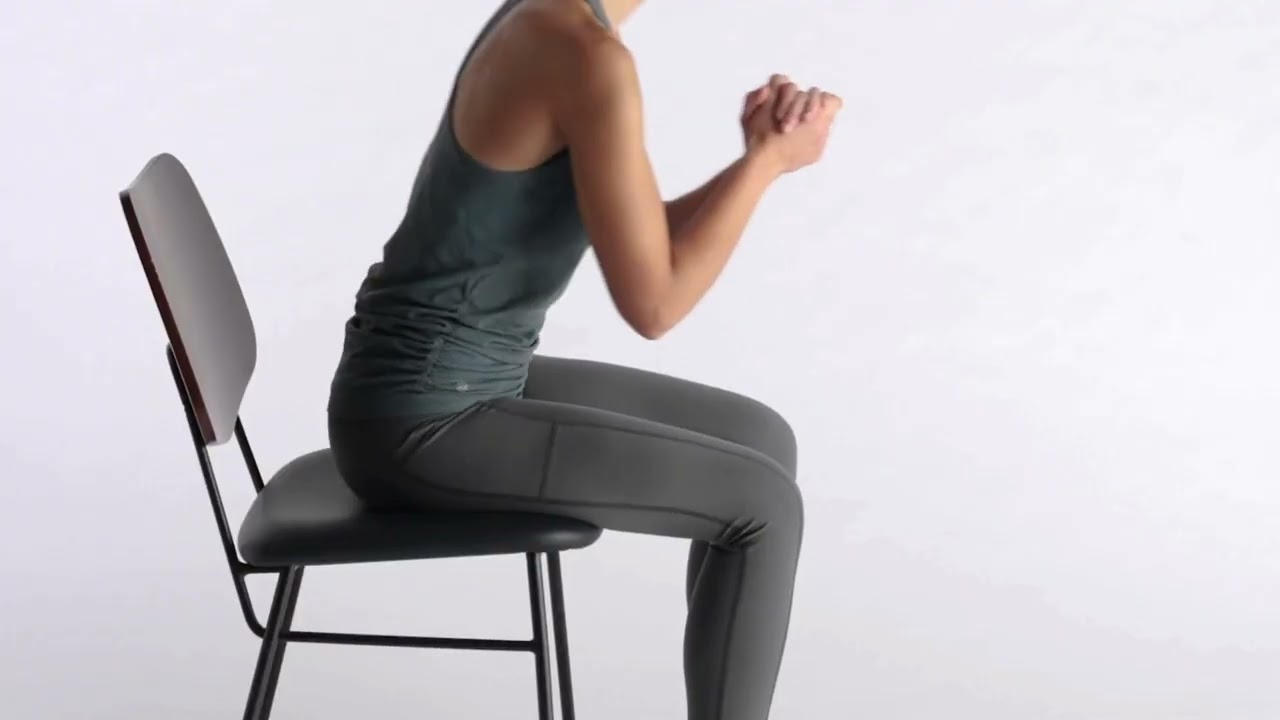
Sets: 2 Reps: 10 Rest: 30–60sec
How to do it:
- Sit in a chair with your feet hip-width apart.
- Lean forward from your hips, keeping your back long.
- Press through your feet to stand.
- Slowly lower back into the chair.
How it helps: Sit-to-stand helps build the leg and hip strength needed for things like getting out of a chair and climbing stairs.
3. Standing hip flexor stretch
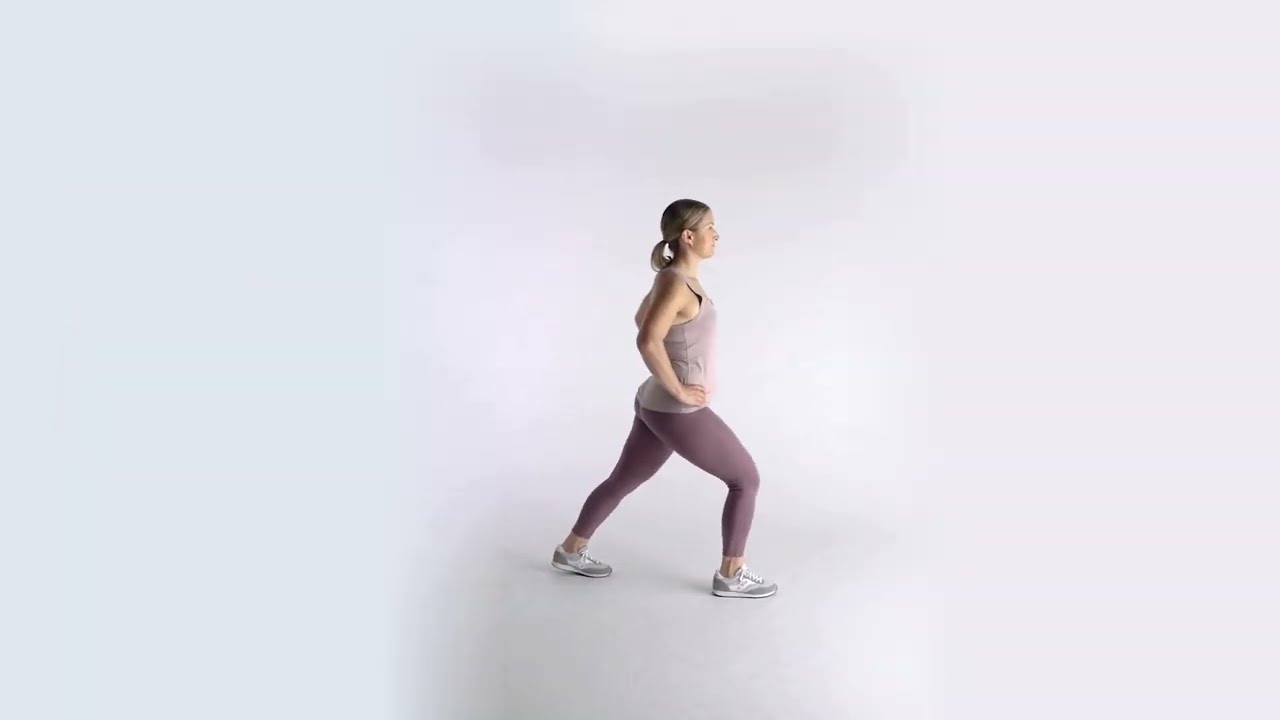
Sets: 1 Reps: 2 each side Time: 30sec
How to do it:
- Stand beside a chair or counter for support.
- Step one foot back, keeping the heel lifted and both toes facing forward (if you don't need support, it can also be done by stepping forward, as in the video).
- Gently tuck your pelvis and shift your weight forward.
- Stop when you feel a mild stretch at the front of the back hip.
- Hold for 30sec and then switch sides.
How it helps: Stretches the front of the hip, which can support upright posture and a more comfortable stride.
4. Supported standing child’s pose
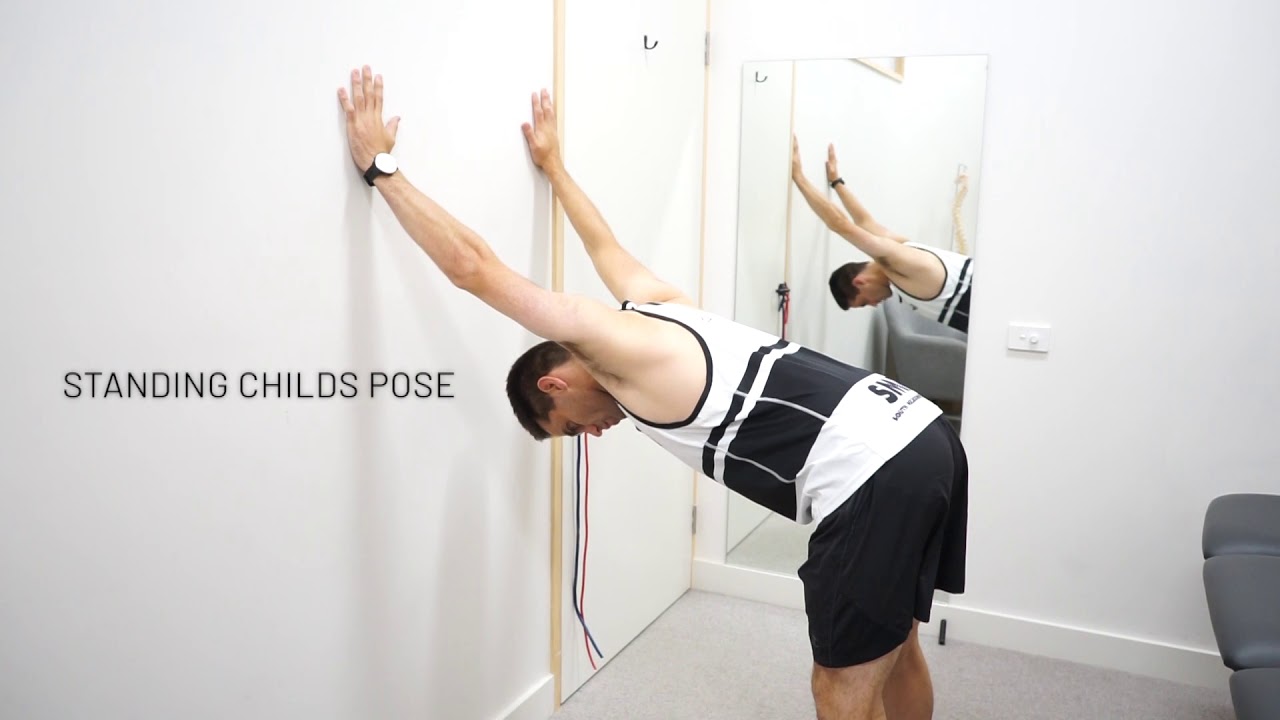
Sets: 1 Reps: 2 Time: 20–30sec
How to do it:
- Face a counter or wall and place both hands on it.
- Bend your knees slightly and push your hips back.
- Lengthen your arms as your torso lowers between them.
- Keep your neck and spine relaxed and hold for 20-30sec.
How it helps: This one gently stretches the back, shoulders and hips while encouraging comfortable movement.
5. Shoulder squeeze
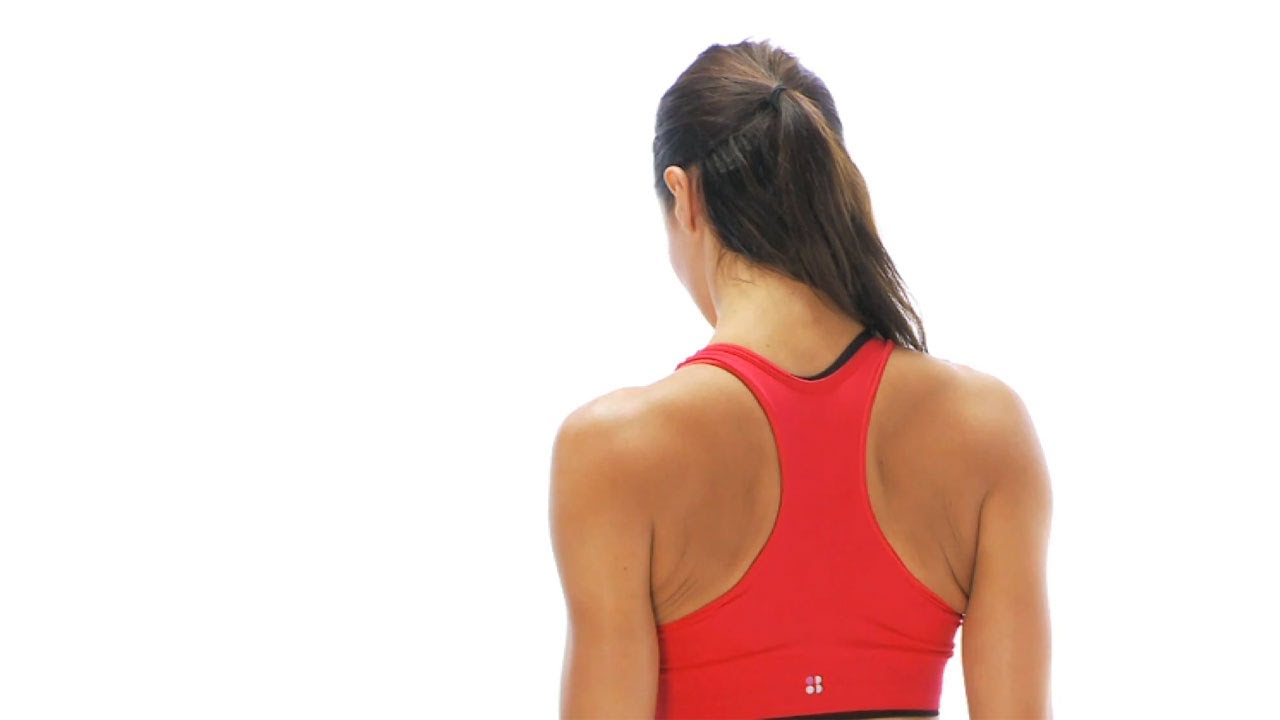
Sets: 2 Reps: 10 Time: 3–5sec
How to do it:
- Sit or stand with your arms relaxed.
- Draw your shoulder blades gently together and down.
- Keep your shoulders away from your ears.
- Hold, then release and repeat.
How it helps: Shoulder squeezes encourage better upper-back positioning and comfortable posture.
