


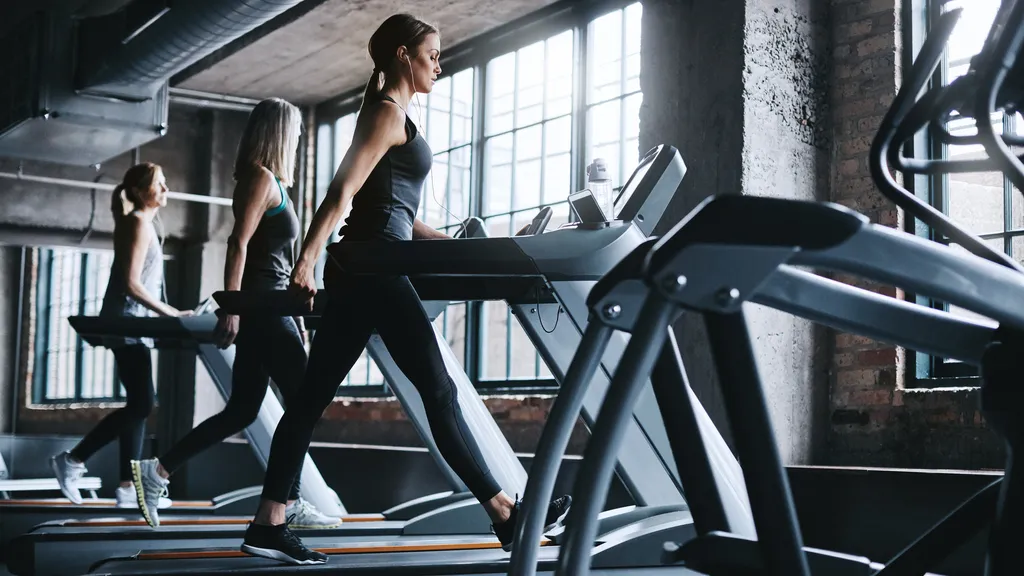


Runners—this is the last core workout you’ll ever need to maintain posture and improve efficiency with every stride
Strengthen your abs, glutes, hips, lower back and deep trunk muscles to help your body maintain posture and resist fatigue


A strong mid-section is a runner’s secret weapon.
It helps your body absorb the repetitive impact of every stride, maintain an efficient upright posture, maximize the efficiency of your run and make the whole experience much more enjoyable.
That’s why personal trainer, ultramarathon runner and Realbuzz ambassador Sam Tomlinson insists that all his running clients include this five-move core workout in their weekly plan.
“Core training for runners is not just about strengthening the abdominal muscles,” he tells Fit&Well.
Instead, the trainer says runners should focus on building the glutes, hips, lower back and deeper trunk muscles, which all work together to keep the pelvis and spine stable while running.
“Running is essentially a series of repeated single-leg landings,” Tomlinson continues.
“The muscles around the side of the trunk and hips must prevent the pelvis from dropping or rotating every time the foot hits the ground.”
Here, the UK-based trainer shares the core workout he swears by and how it can be adapted for runners of all levels.
How to do this five-move core workout for runners
Tomlinson recommends completing this circuit after an easy run, once or twice a week.
“It is one I regularly use with my running clients, adapting the exercises to suit their current ability,” he says.
Perform the exercises in order, resting approximately 10 seconds between moves and one minute between rounds.
Complete three rounds in total, using Tomlinson’s regressions or progressions to match your ability.
1. Hollow hold
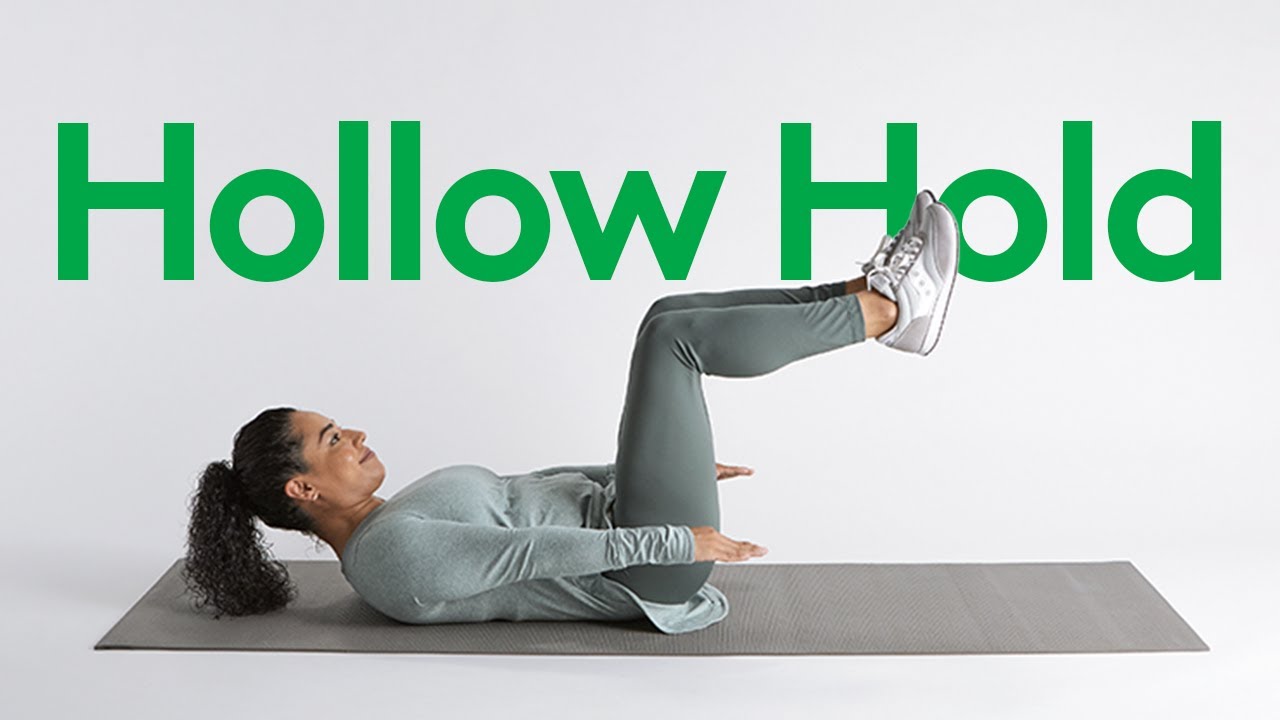
Time: 20-40sec Rest: 10sec
- Lie on your back and press your lower back into the floor by engaging your lower core muscles.
- Raise your head, shoulders and arms, then raise your legs to create tension through your whole body.
- Hold for your target time.
Make it easier: Bend your knees toward your chest to reduce the pressure through your lower back.
Make it harder: Extend your arms overhead and lower your legs closer to the floor.
2. Side plank
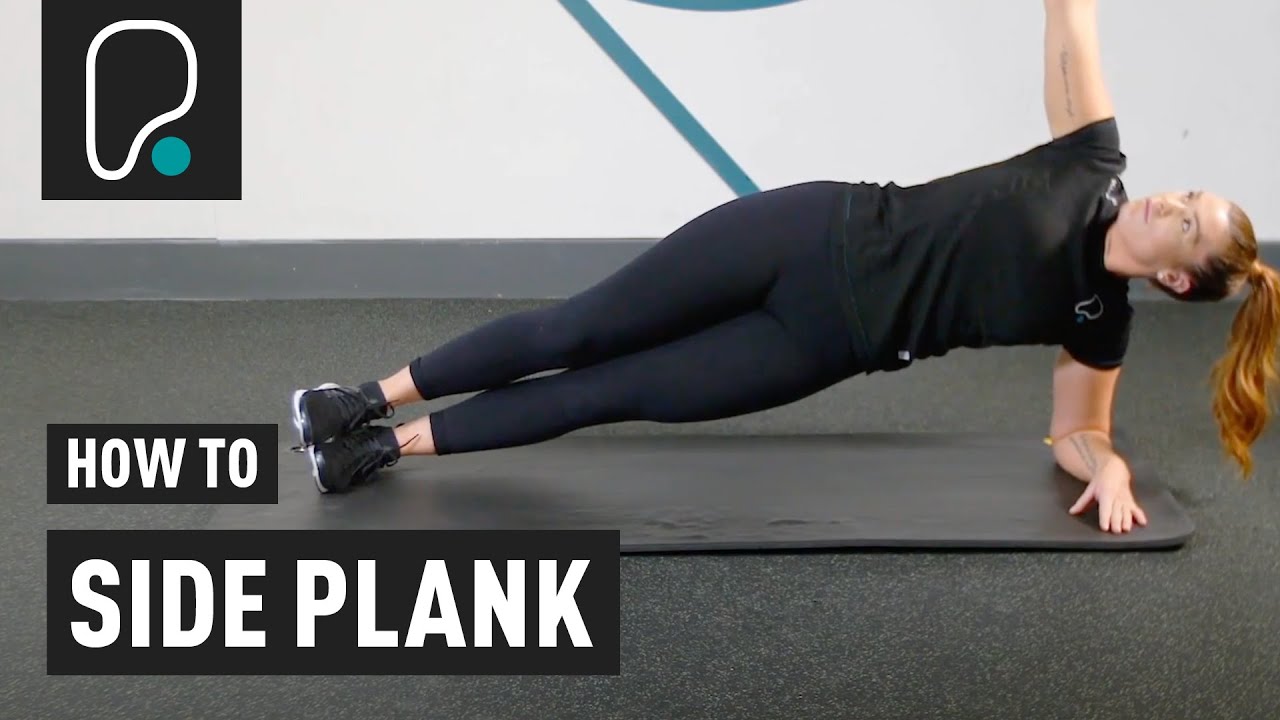
Time: 20-30sec each side Rest: 10sec
- Lie on your side with one foot stacked on top of the other, and rest your weight on your forearm, with your elbow positioned under your shoulder.
- Raise your hips to form a straight line from your head to your feet.
- Hold this position; avoid rotating forward or backward.
Make it easier: Keep your bottom knee on the floor to reduce the strain on your core.
Make it harder: Lift and hold your top leg away from your bottom leg.
3. Plank hip roll
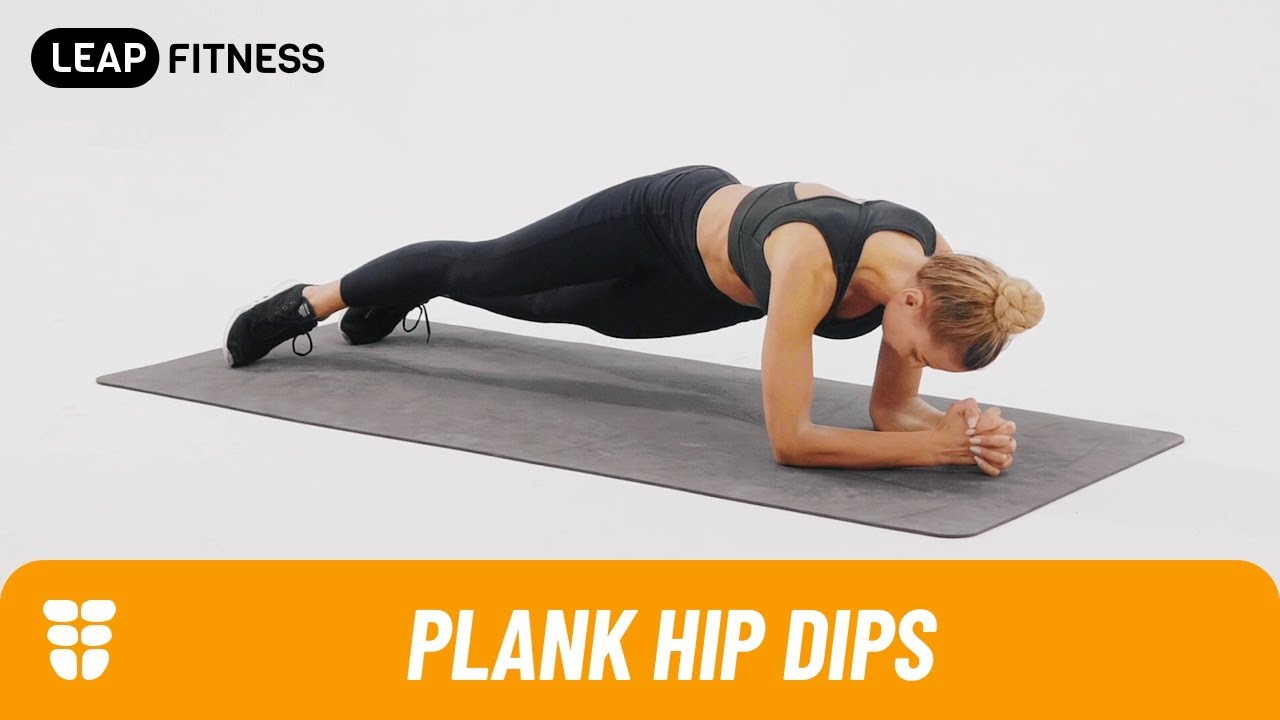
Reps: 10 each side Rest: 10sec
- Get on your hands and knees.
- Step your legs back so your body forms a straight line.
- Lower onto your forearms, with your elbows directly under your shoulders.
- With your feet together, slowly lower your hips to one side, then the other.
- Control the rotational movement through your trunk while keeping your shoulders strong and stable.
Make it easier: Lower your knees to the floor and keep your hips low.
Make it harder: Slow the movement down and pause just above the floor on each side.
4. Bear plank shoulder tap
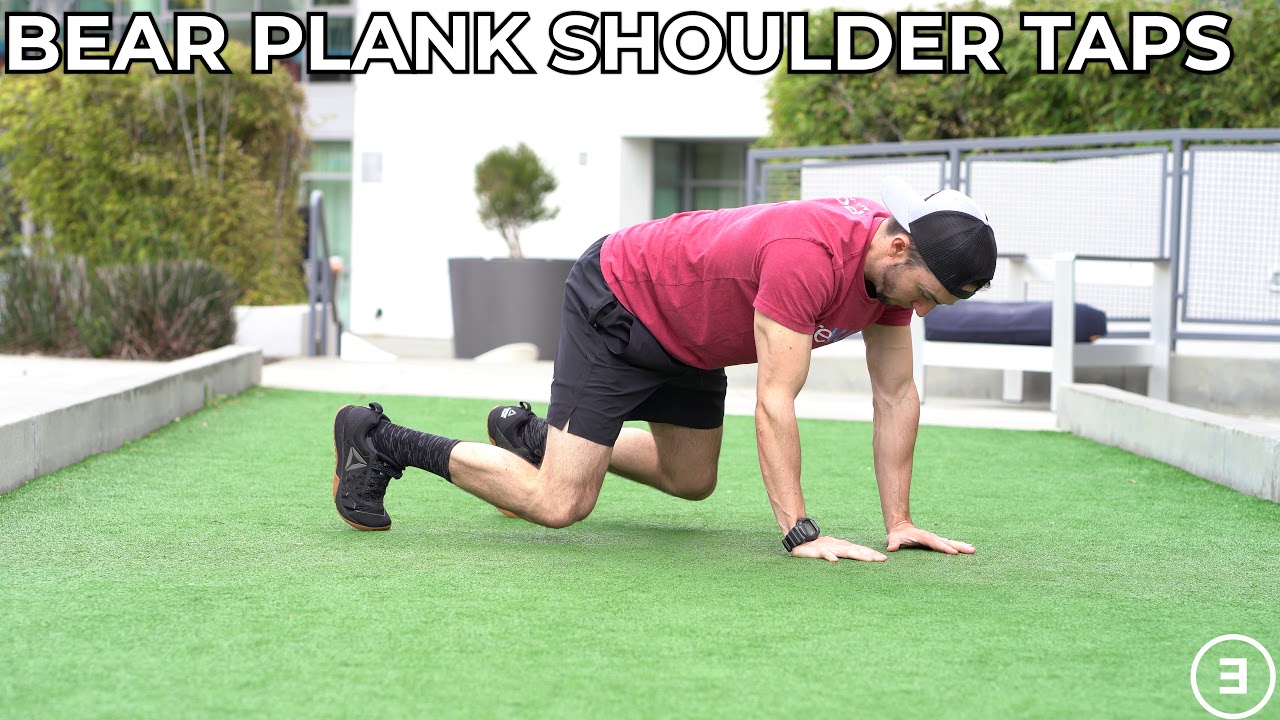
Reps: 8 each side Rest: 10sec
- Get on your hands and knees with your shoulders over your hands and your hips over your knees.
- Lift your knees just off the floor.
- Hold this position while you tap your left shoulder with your right hand, moving your arm as slowly as possible while keeping your back and hips level.
- Return to the starting position and repeat on the other side.
Make it easier: Perform the shoulder taps with your knees on the floor but keep your core engaged by pressing through your palms to engage your shoulder blades.
Make it harder: Move your feet closer together to increase instability.
5. Single-leg glute bridge
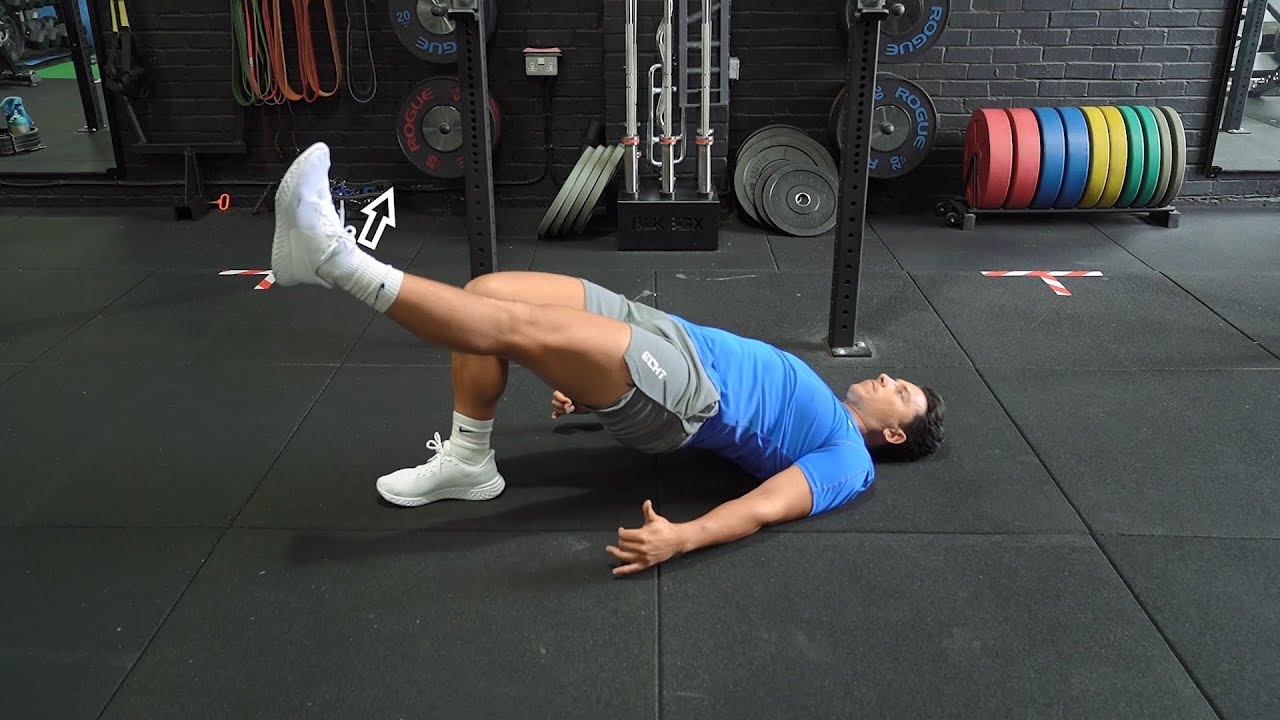
Reps: 10 each side Rest: 1min
- Lie on your back with your right knee bent and right foot flat on the floor, and your left leg extended.
- Place your hands on the floor by your sides for balance.
- Raise your hips and your extended left leg, avoiding any twist in your pelvis as you raise your hips.
- Squeeze your glutes at the top of the lift, then lower with control.
- Complete 10 repetitions in total, then switch sides.
Make it easier: Perform the movement with both feet on the floor.
Make it harder: Pause for a few seconds at the top of each repetition or place a dumbbell across your hips.

Sam Tomlinson is a Level 3 qualified personal trainer and ambassador for realbuzz, an organization that has been connecting runners with the world's best events since 2012. He completed his personal trainer qualification in 2014 with Health and Fitness Education (HFE) and two years later co-founded PRIME Personal Training / @pt.prime in Rawtenstall, England, with his brother and fellow personal trainer Joe. A serial triathlon, marathon and ultramarathon runner, Tomlinson most recently completed the 100km and 6,500m elevation of Ultra-Trail Snowdonia by UTMB in 26 hours.
